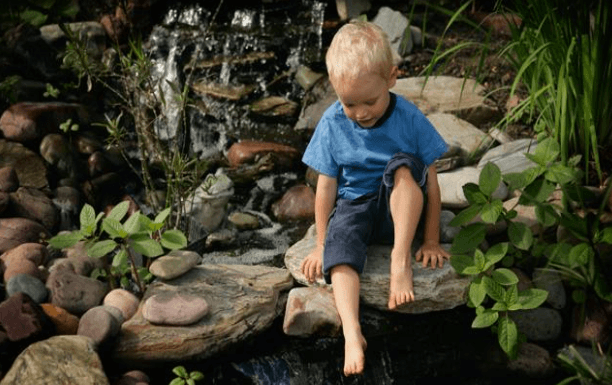
Creating a backyard pond can turn an ordinary garden into a peaceful retreat—but when young children are part of the picture, safety must be a priority. With the right approach, it’s possible to build a beautiful water feature that everyone can enjoy safely. From layout choices to smart tools like the Large Pond Hoover, there are practical steps you can take to design a space that’s both visually pleasing and family-friendly.
Planning With Purpose From the Ground Up
Before any digging begins, thoughtful planning makes all the difference. A pond designed with kids in mind doesn’t have to sacrifice elegance. Instead, it calls for careful attention to the slope, depth, surroundings, and access.
The ideal family-friendly pond starts shallow and slopes gently. Avoid steep sides or sudden drop-offs. These can be difficult—even dangerous—for children to navigate. A gradual descent into deeper zones not only adds aesthetic depth but acts as a natural safety buffer.
If your primary goal is visual appeal rather than swimming or fishing, consider limiting the depth to around 30–40 cm (12–16 inches). This is enough to support fish, floating plants, and gentle water movement without posing serious risks.
Making Smart Use of Modern Pond Equipment
Safety and cleanliness go hand in hand when it comes to pond ownership. Clear, moving water is more than just attractive—it discourages mosquitoes and keeps slippery algae from forming on surfaces.
That’s where reliable pond maintenance tools come into play. Investing in a Large Pond Hoover can help you manage leaves, sludge, and debris that collect at the bottom. Regular vacuuming keeps the pond fresh and prevents unpleasant odors or stagnant zones.
Combining this with high-quality filtration systems, such as those offered by brands like Evolution Aqua, ensures the water remains healthy and safe. These systems remove harmful particles and maintain optimal oxygen levels, which benefits both wildlife and children observing them.
Physical Barriers: Layering Safety Without Sacrificing Style
A pond without barriers is an open invitation for curious kids. Thankfully, safety structures can be incorporated tastefully into your design. Consider these options:
- Raised Pond Walls: Elevating the pond above ground level naturally deters toddlers from leaning over or falling in.
- Fencing: If your pond is at ground level, a secure fence is an effective solution. Aim for a fence at least 1.1 meters high with narrow gaps and a childproof gate.
- Pond Covers: A heavy-duty mesh cover can double as both a leaf screen and a protective layer, especially useful in autumn. Ensure it’s strong enough to bear weight and firmly anchored on all sides.
These safety enhancements can be built in using materials that match your garden’s theme—think decorative wrought iron, rustic wood, or contemporary metal mesh.
Building a Safe Perimeter With Purposeful Surfaces
Many slips and falls around ponds happen not in the water but beside it. Wet grass, mossy rocks, and polished stones can all become hazards. That’s why your choice of material matters:
- Non-slip paving is essential—opt for textured tiles, natural stone with grip, or timber decking with anti-slip strips.
- Avoid glossy or overly smooth finishes.
- Create a clean, unobstructed walking path around the pond, ideally wide enough for an adult and child to walk together without risk.
Placing solar garden lights or glow-in-the-dark markers around the path can also help in low-light conditions.
Encouraging Safe Curiosity Through Supervised Interaction
Even with the safest design, nothing replaces the value of supervision. Always keep children within arm’s reach near a pond. But supervision doesn’t have to mean strict rules—it can also be a time of exploration and bonding.
Use the pond as a teaching opportunity. Introduce kids to the fish, explain the role of plants, and talk about respecting nature. Simple, repeated lessons like “don’t run near the water” or “sit down before feeding the fish” will help kids learn how to behave responsibly.
Creating a Designated Discovery Zone
Kids are naturally drawn to ponds—the movement of water, the sight of fish, and the sound of frogs can be fascinating. Instead of discouraging their curiosity, embrace it with a designated viewing area.
Place a bench, tree stump, or smooth rock a few feet from the pond’s edge. This becomes a go-to spot where children can safely observe wildlife with you. Add visual touches like wind spinners, flower pots, or stepping stones to make the area engaging and inviting.
A well-placed Large Pond Hoover can also make cleanup in these interactive spaces easier. With regular maintenance, your child-friendly pond can remain beautiful and safe season after season.
Supporting Wildlife While Prioritizing Safety
Many people build ponds to support local birds, frogs, and dragonflies. When children are involved, it’s essential to design wildlife features in a way that still protects them.
- Install shallow water areas with dense aquatic plants—these provide hiding spots for creatures and barriers for kids.
- Avoid placing feeding areas right at the edge of deeper water.
- Consider “bog zones” or shallow wetlands that encourage biodiversity without the depth risk.
Balancing nature and safety can make your pond even more rewarding.
Maintenance Tips for a Healthy, Safe Pond
Regular maintenance is key to preventing hazards and keeping your pond looking great. Here are a few helpful practices:
- Use a Large Pond Hoover to remove built-up debris and muck
- Trim surrounding plants and remove weeds to maintain visibility and accessibility
- Clean filters and pumps regularly to ensure optimal water circulation
- Check fences, nets, and covers often for wear or damage
Keeping up with these simple tasks helps prevent accidents and reduces the workload over time.
Clearing Up Confusion
Can a pond be completely child-proof?
No environment is ever 100% accident-proof, but with thoughtful design and supervision, the risks can be greatly reduced.
What is a Large Pond Hoover used for?
It’s a powerful vacuum tool designed to remove sludge, leaves, algae, and debris from large ponds, improving water clarity and safety.
How deep should a pond be if kids are around?
For families with small children, a depth of 30–40 cm (12–16 inches) is ideal—deep enough for aquatic life but shallow enough to reduce risk.
Do pond covers really help?
Yes, strong mesh covers can prevent both children and wildlife from falling in while also keeping the pond clean.
Is it okay to let children feed the fish?
Yes—but only under supervision and from a designated, safe viewing area. It’s a great way to teach respect for nature.
A Family Pond That Brings Peace of Mind
A well-designed pond can be the heart of your backyard—relaxing, beautiful, and educational. With careful planning, quality tools like a Large Pond Hoover, and practical safety steps, you can create a haven that the whole family can enjoy. The balance between beauty and safety isn’t just possible—it’s what makes your pond truly rewarding.