
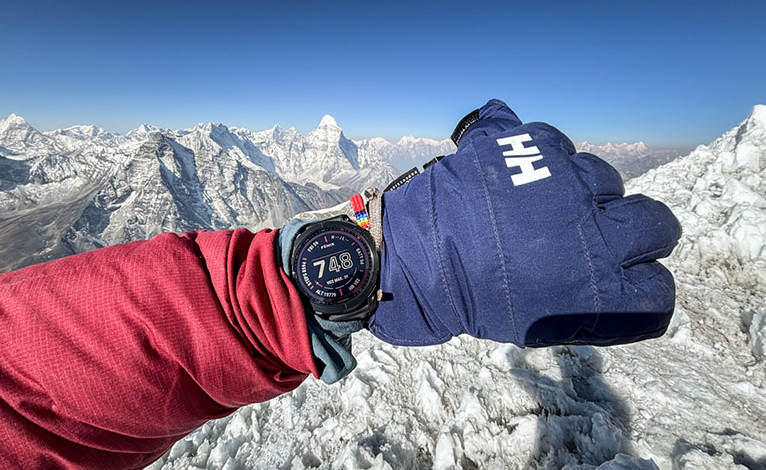
Trail running pushes your body, your shoes, and especially your gear to the limits. That’s why having the right watch matters. In this Trail Running Watch Guide: Altimeter, Maps, Navigation, and Ruggedness, we’ll break down the features that truly matter when you’re far from the pavement and deep into the mountains. From accurate elevation tracking to off-grid navigation, this guide shows exactly what to look for before investing in your next trail watch.
Understanding Trail Running Watches
Trail running watch are built for runners who head into unpredictable terrain, steep climbs, changing weather, and remote places where cell service may disappear. Unlike basic running watches, trail-specific models offer stronger materials, longer battery life, and advanced measurements that help you understand your performance and stay safe outdoors.
Why Trail Runners Need Specialized Watches
Trail running is not the same as road running. Your pace changes constantly, the terrain shifts from dirt to rock to roots, and the environment can be harsh. A specialized watch supports you with:
- Accurate elevation gain tracking
- Strong GPS reception under trees or mountains
- More durable materials
- Long-lasting batteries for ultramarathons
- Navigation tools when trails split unexpectedly
See also: The Cost of Aged Care Homes: A Financial Guide
LSI Concepts Embedded Naturally
Throughout this guide, you’ll notice terms like:
elevation gain, GPS accuracy, off-grid navigation, rugged design standards, and multi-band satellite tracking. These ideas give depth and clarity to the topic without feeling forced.
The Importance of Altimeters in Trail Running Watches
One of the most critical tools in any trail watch is the altimeter. Since trail running involves constant climbing and descending, knowing your elevation helps measure effort, track performance, and stay oriented.
How Barometric Altimeters Work
A barometric altimeter measures atmospheric pressure to determine your elevation. Because pressure changes with weather, the watch continuously adjusts for accuracy. Runners prefer barometric altimeters because they:
- Provide highly accurate elevation readings
- Record rapid elevation changes on steep trails
- Offer storm alerts based on pressure drops
GPS Altimeter vs. Barometric Altimeter
| Feature | GPS Altimeter | Barometric Altimeter |
|---|---|---|
| Accuracy | Moderate | High |
| Battery Usage | Higher | Low |
| Weather Alerts | No | Yes |
| Best For | Casual runners | Trail & mountain athletes |
Benefits of Accurate Elevation Tracking
Knowing your elevation gain and loss helps you:
- Pace yourself on steep climbs
- Build training plans based on vertical gain
- Prepare for endurance races
- Stay safe in unfamiliar mountains
- Compare performance across terrains
Maps and Navigation Features Explained
Navigation is where a trail running watch truly shines. When trails twist, intersect, or disappear, having turn-by-turn guidance on your wrist can be a lifesaver.
On-Wrist Topographic Maps
Topographic maps show:
- Elevation lines
- Rivers, ridges, and valleys
- Trail names
- Landmarks
These maps make it easy to visualize your surroundings without pulling out your phone.
Breadcrumb Navigation & Route Planning
Breadcrumb navigation displays a simple path of where you’ve been. This is incredibly helpful when:
- Trails fade
- Weather reduces visibility
- You accidentally go off-route
You can also pre-load GPX routes onto your watch for planned runs.
Turn-by-Turn Directions
Some watches provide:
- Alerts before upcoming turns
- Vibration warnings when off course
- Upcoming elevation profiles
This feature is popular among ultra runners who must stay confident when tired or running overnight.
Offline Navigation for Remote Trails
Since many trails have no signal, watches must store maps offline. This keeps your navigation active even miles from cell coverage.
Ruggedness: What Makes a Watch Trail-Ready
Trail running watches must withstand mud, rocks, tree branches, and sweat. Their ruggedness determines how long they’ll last in the wild.
Waterproofing Standards
Most quality trail watches offer:
- 5 ATM (up to 50m water depth)
- 10 ATM (up to 100m)
This protects against heavy rain, stream crossings, and sweat.
Shock, Heat, and Scratch Resistance
Look for watches tested to military standards (MIL-STD-810). These survive:
- Extreme temperatures
- Dust and sand
- Drops and impacts
- High humidity
Sapphire glass is the strongest option for scratch resistance.
Battery Performance in Harsh Conditions
Cold weather drains batteries quickly, so trail watches often include:
- Solar charging
- Multi-band GPS modes
- Battery-saving navigation
Some watches last 60–120 hours in GPS mode.
Additional Smart Features for Trail Running
Heart Rate Monitoring
Optical sensors help track your intensity, but chest straps provide the highest accuracy—especially in cold or uneven terrain.
Training Load, VO2 Max & Recovery Tools
These metrics help you train smarter and avoid injury. Many watches offer adaptive training plans.
Safety Tools: SOS and Incident Detection
Some models send emergency alerts if you fall or stop suddenly—essential when running alone.
How to Choose the Right Trail Running Watch
Checklist of Essential Features
- Barometric altimeter
- Topographic maps
- Ultra-long battery life
- Multi-band GPS
- Durable build with sapphire lens
- Water resistance 5–10 ATM
- Offline navigation
- Heart rate + training features
Matching Features With Your Running Style
- Beginners: Basic GPS + altimeter
- Intermediate runners: Route navigation + durable materials
- Ultrarunners: Extreme battery life + full mapping suite
Top Recommended Trail Running Watches
Budget-Friendly Options
- Reliable GPS
- Basic navigation
- Good battery life
Premium Options
- Multi-band GPS
- Sapphire lens
- Advanced maps and sensors
For more details, you can compare models at:
👉 https://www.outdoorgearlab.com (External link)
FAQ: Trail Running Watch Guide
1. Do I need a barometric altimeter for trail running?
Yes—it’s far more accurate than GPS altitude and essential for steep terrain.
2. Can trail watches work without phone service?
Absolutely. Offline maps and GPS allow full navigation in remote areas.
3. Are rugged watches heavier?
Some are, but modern designs use lightweight materials like titanium.
4. How long should the battery last for trail running?
At least 20–40 hours of GPS for most runners; ultrarunners need 60+.
5. Do watches track elevation gain accurately?
Barometric altimeters provide the best accuracy when calibrated correctly.
6. What lens is most durable for trail running?
Sapphire crystal—highly scratch-resistant and ideal for rugged trails.
Conclusion
Choosing the right trail watch is more than picking a pretty display. It’s about safety, accuracy, and durability when you’re miles from home. With the right mix of altimeter accuracy, advanced navigation, detailed maps, and rugged construction, you’ll run confidently on any terrain. Use this Trail Running Watch Guide: Altimeter, Maps, Navigation, and Ruggedness to compare features and select a watch that supports your adventures for years.

