
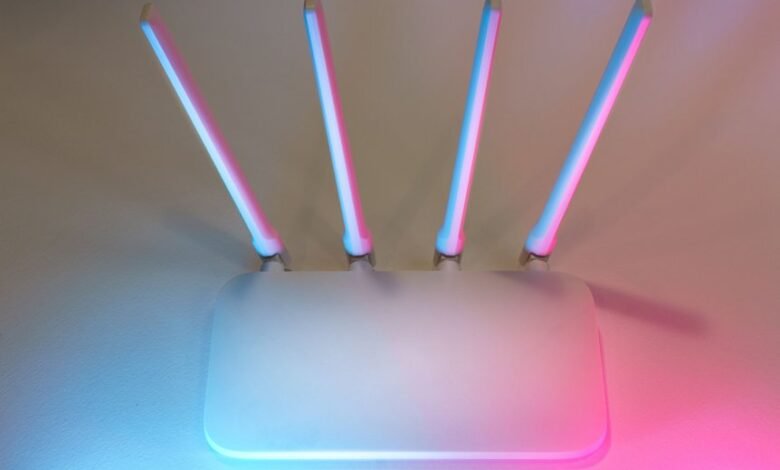
The 168.0200 router setup guide begins with identifying the device’s IP and default credentials from the label, manual, or support site. It then directs securing access by logging in and updating the admin password, disabling default accounts, and enabling precise control over who can manage the router. Next, it covers configuring a distinct SSID and a strong passphrase, plus a guest network. The framework ends by hardening protections and preparing for ongoing maintenance, inviting careful consideration of each step.
Identify Your 168.0200 Router’s IP and Credentials
Identifying the 168.0200 router’s IP address and default credentials is a critical initial step in secure device setup. The process emphasizes exact figures, documented references, and verifiable sources, ensuring accurate access parameters without exposure.
This approach yields reliability, supports hardening, and frames idea one as a foundation for topic two: controlled configuration, exercised with disciplined, freedom-minded precision.
Securely Log In and Update Admin Password
To securely log in and update the admin password, users should access the router’s management interface using the IP and credentials identified earlier, then navigate to the administration or security settings.
The process emphasizes privacy awareness and minimizes exposure; enable strong, unique credentials, disable default accounts, and apply firmware updates promptly to reduce risk while preserving user autonomy and system integrity.
Set Up Wi‑Fi Name (SSID) and Password
Choosing an appropriate Wi‑Fi name (SSID) and a strong password is essential for network security and user privacy. The guide directs precise selection of an identifiable SSID and a complex passphrase, avoiding defaults. Configure the setup firewall rules to monitor new devices, and enable a separate guest network to isolate visitors while preserving core network integrity. Regularly review settings for continued resilience.
Harden Basic Security and Essential Settings
Harden basic security and essential settings by enforcing strong authentication, minimizing exposure, and enabling foundational protections.
The approach remains precise and detached, outlining actionable steps rather than narratives.
Implement robust admin credentials, disable unused services, and enforce firmware backups to preserve state.
Consider a guest network to isolate visitors, while monitoring traffic and applying timely updates for long‑term resilience and user‑desired freedom.
Frequently Asked Questions
How Do I Reset the 168.0200 Router to Factory Defaults?
The reset button restores factory defaults; access is gained through manual firmware steps, USB update options, and parental controls configuration. During isolation and troubleshooting, a red blinking indicator signals issues, ensuring secure guest network setup and ongoing security-focused administration.
Can I Update Firmware Manually via USB on the 168.0200?
Yes, manual firmware updates via USB are possible, but the process requires a verified backup and careful handling to preserve router topology. Prioritize firmware backup, verify integrity, and apply only signed images to maintain security and freedom.
How to Enable Guest Network Isolation on 168.0200?
A careful allegory frames governance: disabling wifi without safeguards invites wandering guests. Enabling guest network isolation protects assets. The system should, without compromise, manage disabling wifi access while updating DNS records, preserving freedom and strengthening security for all users.
Why Is My 168.0200 Router Blinking Red, and What to Do?
The red blinking indicates a fault condition requiring immediate action. For glitch troubleshooting and firmware maintenance, power-cycle, verify cables, then consult logs; if unresolved, perform firmware update or factory reset, ensuring security settings remain intact for freedom-aware users.
How to Access Parental Controls on the 168.0200 Router?
Users access parental controls through the router’s web interface, then navigate to Device Management or Security; enable features, set schedules, and apply firmware updates. It strengthens network security while preserving freedom to customize device permissions and monitoring.
Conclusion
In summary, the 168.0200 router should be configured with unique admin credentials, a clearly identified SSID, and a robust guest network. By disabling unused services, enforcing strong authentication, and applying timely firmware updates, administrators fortify the device against common threats. Regular backups and vigilant monitoring of new devices complete the resilience cycle. Like a sentinel at the gateway, a well-hardened setup warns of risk and stands ready to defend the network fortress.

