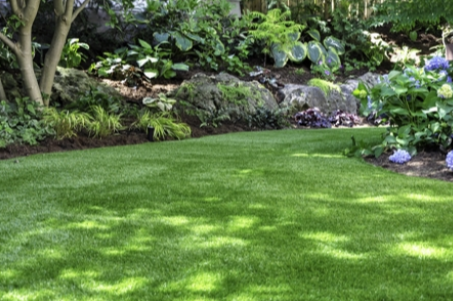
After weeks of heavy rain, your backyard can look like a completely different place — and not in a good way. Muddy patches, green-stained pathways, waterlogged flower beds, and grimy outdoor furniture all pile up fast. But the good news? Resetting your backyard after a rainy season doesn’t have to be overwhelming. With the right steps and a little effort, you can take your outdoor space from messy to spotless.
This guide walks you through everything you need to know — from clearing mud and runoff stains to restoring your lawn and getting your patio summer-ready.
Why Rainy Seasons Hit Backyards So Hard
Extended rainfall creates a chain reaction of problems outdoors. Water carries dirt, debris, and organic matter across hard surfaces, leaving behind stubborn stains and buildup. According to the EPA, stormwater runoff is one of the leading contributors to outdoor surface degradation, carrying sediment, algae spores, and pollutants that settle on driveways, patios, and walkways.
Moisture also encourages the rapid growth of mold, mildew, algae, and moss on decks, concrete, and pavers — surfaces that look permanently discolored if left untreated. Studies show that shaded, damp surfaces can develop visible algae growth in as little as 48–72 hours after prolonged rain exposure.
Understanding the damage helps you tackle the cleanup with a clear plan.
Step 1: Do a Full Backyard Assessment
Before you grab a shovel or a hose, walk through your entire backyard and take stock of what you’re dealing with. Look for:
- Mud accumulation near garden beds, fences, and low-lying areas
- Standing water or poor drainage spots
- Runoff stains on patios, decks, sidewalks, and retaining walls
- Organic buildup — leaves, algae, moss, and mildew on hard surfaces
- Damaged lawn patches where grass has been drowned or compacted
- Displaced mulch or gravel from heavy water flow
- Outdoor furniture with water stains or mold growth
Making a checklist at this stage saves time and helps you prioritize the biggest problems first.
Step 2: Remove Mud, Debris, and Standing Water
Start with the basics. Use a flat-edged shovel or garden spade to scoop up excess mud from pathways and garden borders. Avoid walking through muddy patches unnecessarily — this compacts the soil and makes drainage worse.
For standing water, check if your drainage channels or gutters are blocked. Clearing clogged downspouts and surface drains often resolves pooling quickly.
Pro Tip
Once the mud is scooped away, spread a thin layer of coarse sand over compacted, waterlogged soil. This helps air and water move through the ground again and prevents future waterlogging.
Step 3: Clean Hard Surfaces — Start With Pressure Washing
This is the most impactful step in resetting your backyard, and it’s one most homeowners underestimate.
Rainwater doesn’t just wet surfaces — it leaves behind runoff stains, algae growth, embedded dirt, and organic residue that a regular garden hose simply cannot remove. Concrete patios, brick pathways, wooden decks, and driveways all accumulate layers of grime that become slippery and unsightly.
This is exactly where professional pressure washing services make a massive difference. High-pressure water jets cut through months of buildup in minutes, restoring hard surfaces to a near-original state without the need for harsh chemical scrubbing.
What Pressure Washing Can Clean After Rain Season
| Surface | Common Post-Rain Problem | Pressure Washing Benefit |
|---|---|---|
| Concrete Patio | Green algae stains, mud | Removes buildup, restores color |
| Brick Pavers | Moss growth, efflorescence | Deep cleans without damage |
| Wooden Deck | Mildew, dark water stains | Preps surface for resealing |
| Driveway | Runoff dirt, tire marks | Lifts embedded grime fast |
| Retaining Walls | Organic staining | Prevents long-term deterioration |
| Outdoor Steps | Slippery algae growth | Improves safety immediately |
According to a survey by HomeAdvisor, homeowners who pressure wash their outdoor surfaces after seasonal weather events report up to 40% longer surface lifespan compared to those who skip the cleaning step. Pressure washing also primes surfaces for sealing or repainting, making any follow-up maintenance more effective and longer-lasting.
For best results, hire a professional service rather than renting a consumer-grade unit. Professional-grade equipment delivers the right PSI (pounds per square inch) for each surface type — too little and the stains don’t lift, too much and you risk damaging wood or soft pavers.
Step 4: Restore Your Lawn
Once hard surfaces are clean, it’s time to focus on the grass. Post-rain lawns commonly suffer from:
- Compacted soil that suffocates grass roots
- Waterlogged patches where grass has yellowed or died
- Bare spots caused by mud erosion or foot traffic
- Thatch buildup from decomposing wet leaves and debris
Here’s a simple lawn recovery plan:
Aerate the Soil
Use a garden fork or a mechanical aerator to poke holes across the lawn surface. This breaks up compaction and lets oxygen, water, and nutrients reach the root zone again.
Overseed Bare Patches
Mix grass seed with a light layer of compost and spread it over damaged areas. Keep it moist for 10–14 days until germination begins. Choose a seed mix that matches your existing grass type.
Apply a Balanced Fertilizer
Rainy seasons leach nutrients out of soil. A slow-release nitrogen fertilizer applied 2–3 weeks after rain stops helps lawns bounce back quickly. Avoid fertilizing too soon after heavy rain — runoff will just wash it away.
Mow at the Right Height
Wait until the lawn is dry and has grown to at least 3 inches before mowing. Cutting wet or short grass stresses already-weakened turf.
Step 5: Tackle Garden Beds and Planters
Garden beds take a beating in prolonged rain. Here’s how to reset them:
- Remove dead or rotting plant material immediately. Wet, decomposing matter is a magnet for pests and fungal disease.
- Replenish mulch that has washed away. A 2–3 inch layer of fresh mulch regulates moisture and prevents future erosion.
- Check for root rot in potted plants and planters. If roots are mushy or smell bad, the plant may need to be repotted in fresh, dry soil.
- Stake or tie back plants that have been knocked over or bent by wind and rain.
- Test your soil pH — heavy rain can leach away calcium and raise acidity. A simple $10 test kit tells you if lime or amendments are needed.
Step 6: Clean and Inspect Outdoor Furniture
Outdoor furniture — especially metal and wood pieces — develops water stains, rust spots, and mildew growth after rainy spells. Here’s a quick reset checklist:
- Wipe down furniture with a solution of warm water and white vinegar to remove surface mildew
- For metal furniture, sand any rust spots lightly and apply a rust-inhibiting paint or spray
- Re-oil or re-stain wooden furniture to restore protection
- Wash outdoor cushion covers in mild detergent and dry them completely before storing or using
- Inspect umbrella frames for bent or corroded spokes
Step 7: Rearrange and Refresh the Space
Once everything is clean and repaired, take the opportunity to rearrange your outdoor layout with fresh eyes. Many homeowners find that post-season resets are the perfect chance to:
- Reposition furniture for better sun exposure or shade
- Add new planters or outdoor lighting
- Create defined zones for dining, lounging, or gardening
- Install gravel or stepping stones in muddy, high-traffic areas
This is also a great time to seal your patio or driveway if pressure washing revealed worn surfaces. Sealant protects against the next rainy season and dramatically extends the life of concrete, pavers, and wood decks.
Key Takeaways
- Start with a full backyard assessment before jumping into cleanup.
- Clear mud and standing water first to restore proper drainage.
- Use a professional pressure washing service to clean hard surfaces quickly and effectively.
- Aerate, overseed, and fertilize the lawn to accelerate post-rain recovery.
- Refresh garden beds with mulch and check plants for root rot.
- Clean and treat outdoor furniture to prevent rust and mildew.
- Use the reset as a chance to redesign and improve your outdoor space.
Frequently Asked Questions (FAQs)
How soon after rain should I start cleaning my backyard?
Wait at least 24–48 hours after the last rainfall to allow surfaces to partially dry. Attempting to clean soaking-wet concrete or soil typically makes things worse.
Is pressure washing safe for wooden decks?
Yes, when done correctly. Professional pressure washing services use the appropriate PSI for wood surfaces — typically between 500–1,200 PSI — to clean without causing splintering or damage.
How do I stop algae from coming back on my patio after cleaning?
After pressure washing, apply a patio sealant or an algae-inhibiting treatment. Improving drainage and reducing shade around the area also slows algae regrowth significantly.
Can I pressure wash my outdoor furniture?
Plastic and resin furniture can be safely pressure washed on a low setting. Avoid pressure washing cushions directly — remove covers and wash them separately.
How often should I reset my backyard after seasonal rain?
A thorough post-rainy-season reset once or twice a year (typically spring and autumn) keeps your outdoor space in top condition year-round.
Final Thoughts
A rainy season doesn’t have to leave your backyard in a permanent state of neglect. With a structured cleanup process — starting with mud removal, moving through professional surface cleaning, lawn recovery, and finishing with a thoughtful rearrangement — your outdoor space can look better after the reset than it did before the rains arrived.
The key is acting with a plan rather than reacting randomly. And when it comes to restoring hard surfaces quickly and thoroughly, investing in a professional
pressure washing service is the single fastest way to reclaim your patio, driveway, and deck — giving you a clean, safe foundation to rebuild the rest of your backyard around.